Winter Outfits
Wondering what to wear when it’s seriously cold (without being seriously bulky)?
This section has our coats, boots, knitwear and holiday outfit suggestions. From layering tricks (ahem, thin base layers under sweaters, and coats that clear the hips) to boots with serious traction to Christmas outfits that make the transition from church to dinner seamless, we’ve got suggestions for her (and him).
Browse Winter Outfits
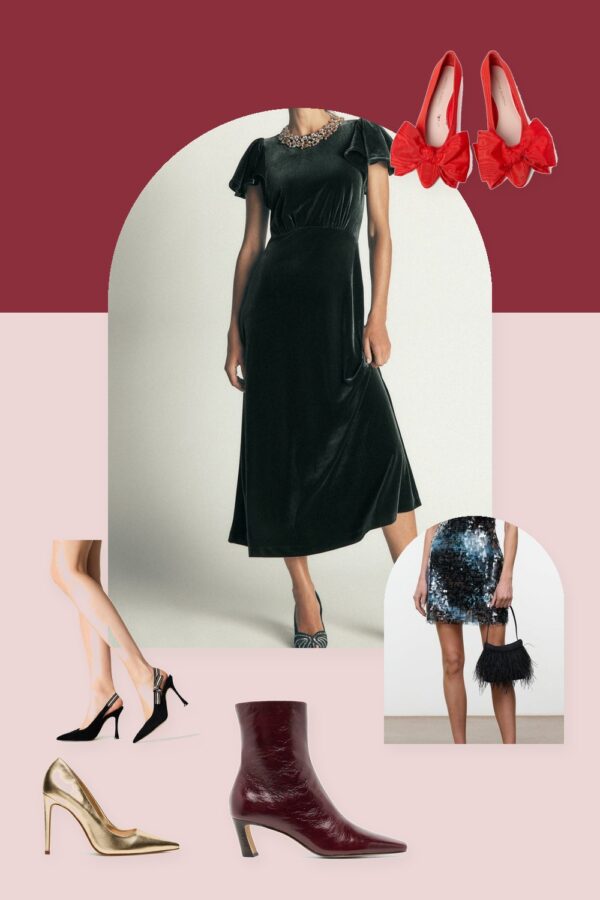
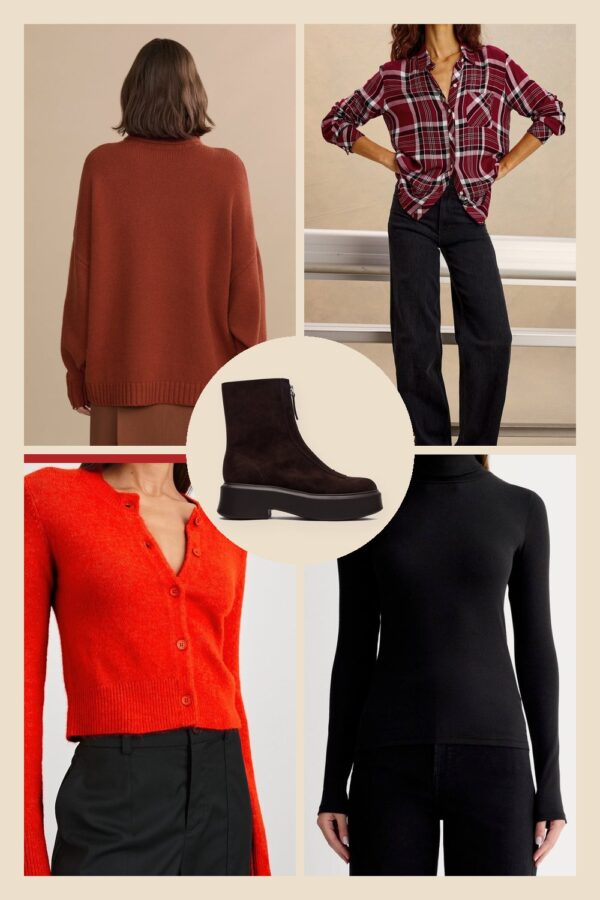
Fall Outfits for Women: Head to Toe Looks for Cool Days and Cold Snaps
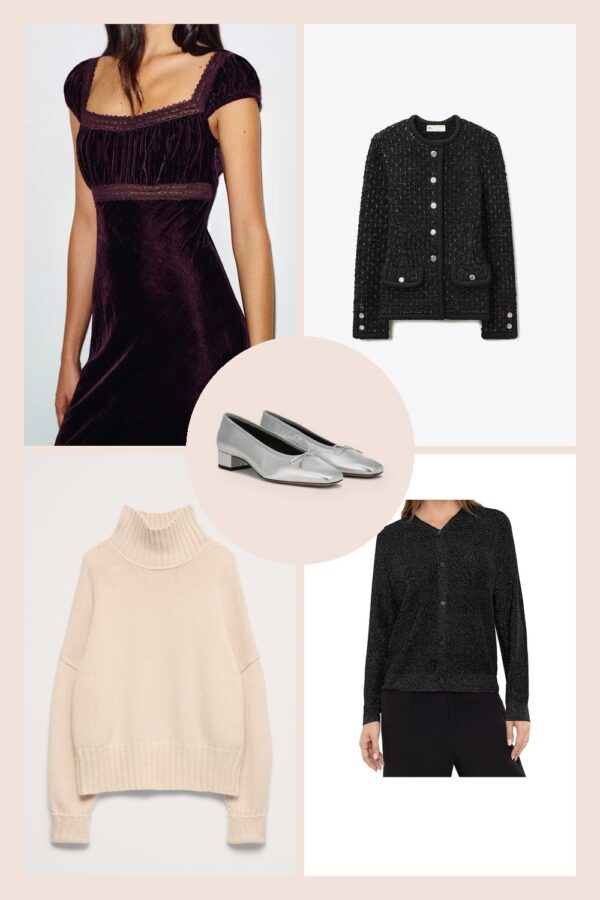
Holiday Party Outfits: What to Wear, From the Office to Cocktail Hour
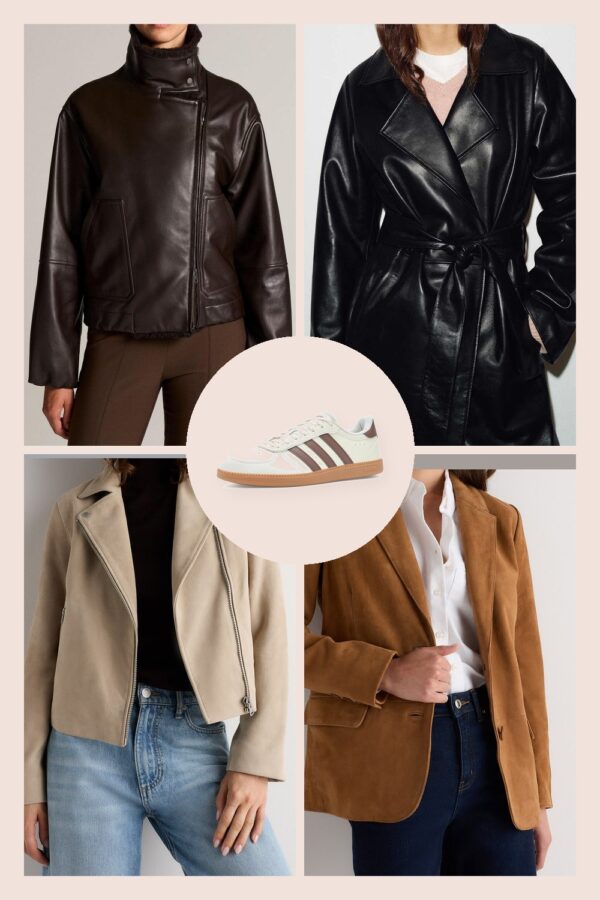
Leather Jacket Outfits for Women: How to Wear Brown, Black, Red and Cream Leather
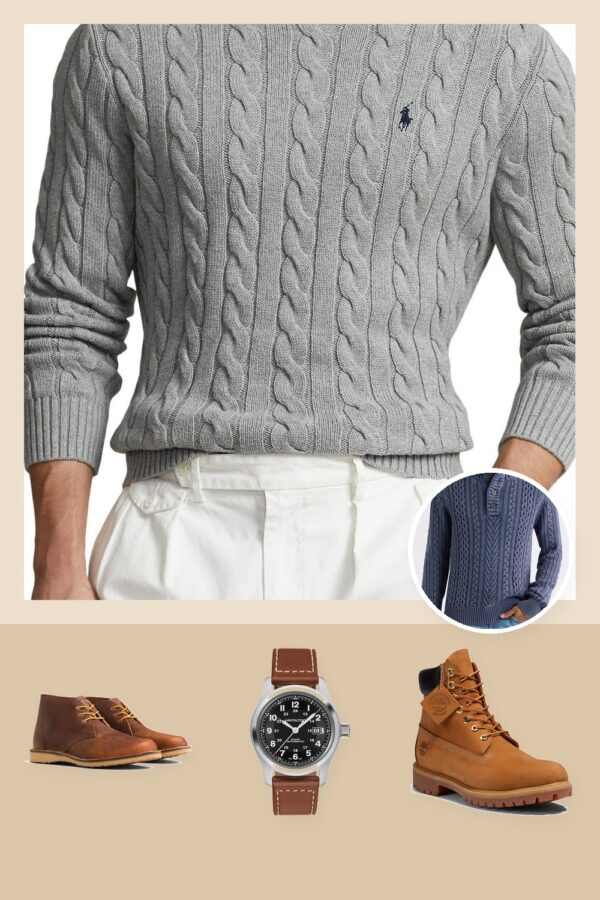
Men’s Sweater Outfits for Fall and Winter: How to Style Every Knit
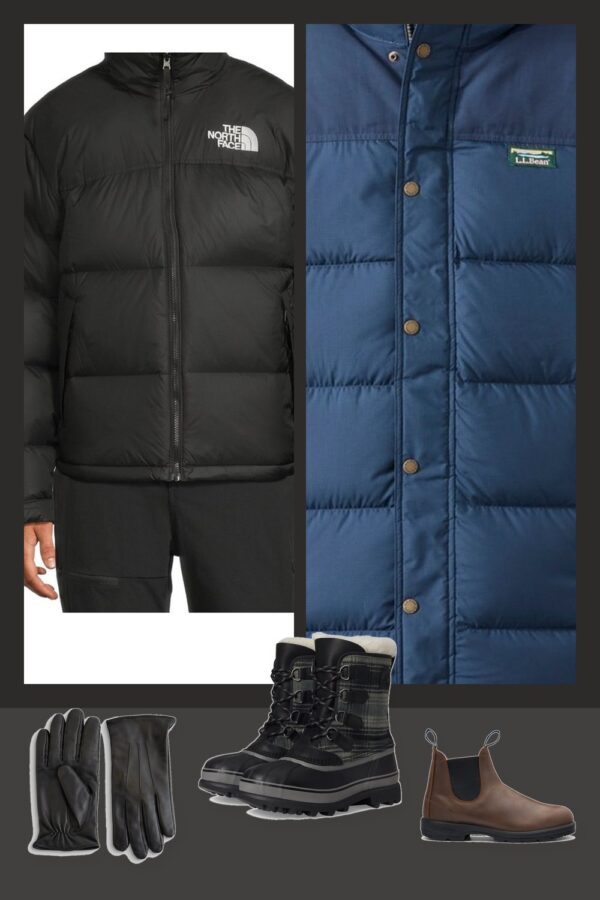
Men’s Winter Outfits: How to Layer for Real Cold
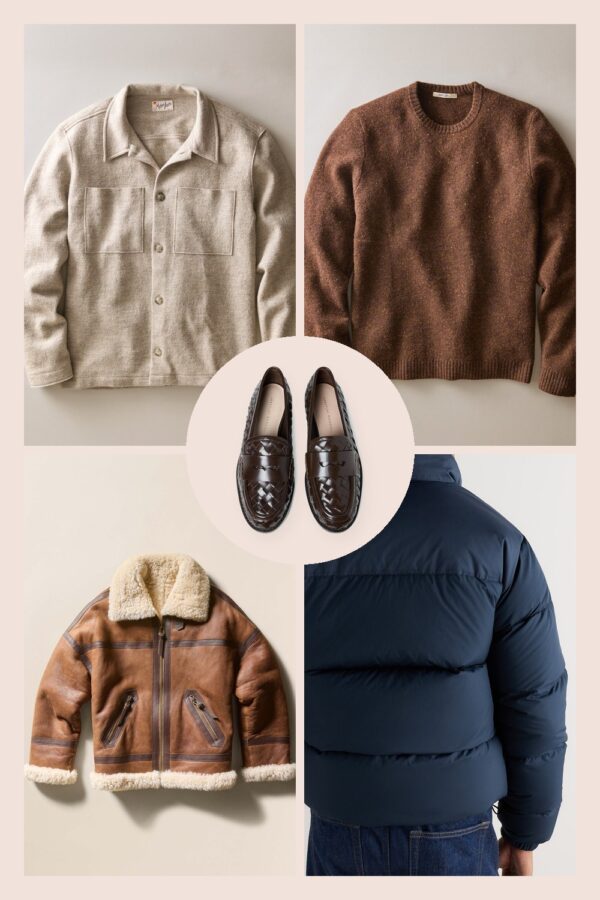
November Outfits for Women and Men: What to Wear All Month Long
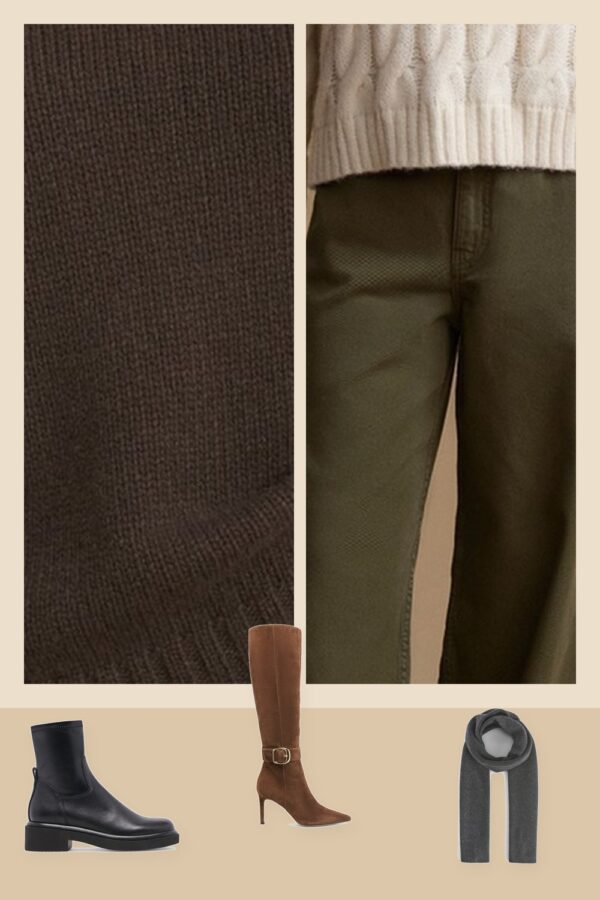
Winter Capsule Wardrobe: Warm Neutral Outfits for Every Cold Day
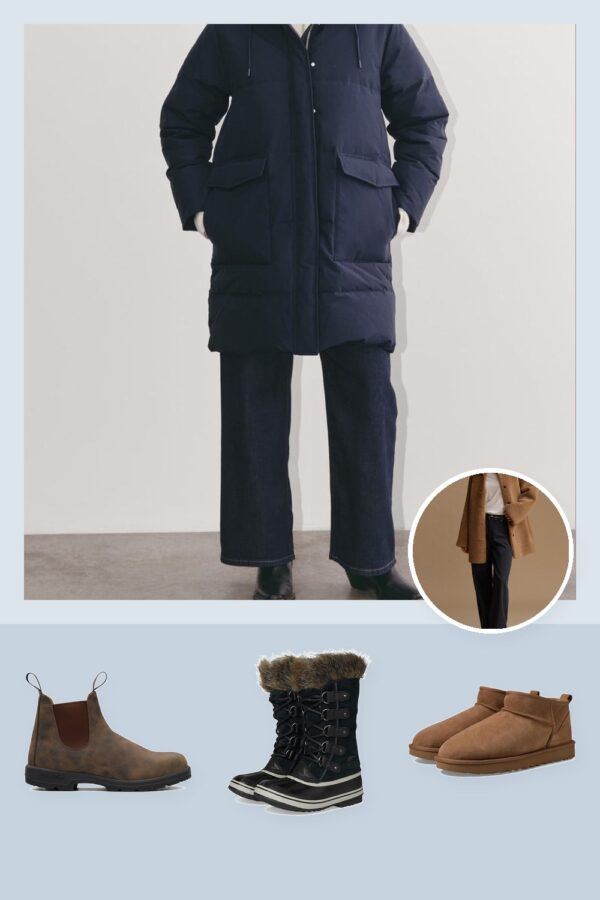
Winter Outfits for Cold Weather: How to Layer and Still Look Cute
Warm First, Then Everything Else
Winter dressing has one job that the rest of the year does not: keep you from being miserable outside. As our cold weather guide for women puts it, these outfits have to keep you toasty and still be cute. The men’s version frames it as walking the line between warm and fully utilitarian. Everything in this section is an attempt to do both at once.
The Three Layer System
Most good winter outfits have three parts, and each one has a separate job.
- Base layer: sits against your skin and manages warmth without bulk. Fitted half zips, leggings and fine knits do this well.
- Middle layer: traps heat. Cashmere, fleece, wool cardigans and flannel all belong here.
- Outer layer: blocks wind, snow and rain. This is the coat, and it is worth getting right.
The advantage of layers is that you can take one off. Shops, offices and trains are often very warm, and a single massive sweater leaves you with no way to adjust. Two thin pieces will usually serve you better than one thick one.
Choosing a Coat for the Winter You Actually Have
Winter Outfits for Cold Weather offers six outer layers for women, including a belted overcoat, a long puffer, a shearling coat and a quilted jacket. Men’s Winter Outfits covers coats for every kind of cold, from a retro down jacket and a mountain parka to a wool cashmere overcoat and a waxed jacket.
Think about your own routine when choosing. A long puffer is hard to beat for standing on a train platform. A wool coat looks better over office clothes but needs more underneath it when the temperature falls. Waxed cotton handles wet weather well, though it will not do much on its own in deep cold. We report the warmth claims made by retailers, and only those, so check the product details for your climate.
Six Other Guides for the Cold Months
- Winter Capsule Wardrobe builds 24 outfits from 15 pieces in camel, chocolate, cream, charcoal, black and a little burgundy.
- Men’s Sweater Outfits styles 21 knits, from a grey cable to a Fair Isle for a mountain town weekend.
- Fall Outfits for Women runs through cold snaps and holiday plans with complete looks.
- November Outfits handles the transition, with a section on the first hard cold.
- Christmas Outfit Ideas for Women adds velvet, satin and sequins for the party calendar.
Keeping Your Feet and Hands in the Game
Cold feet will end a day outdoors faster than almost anything. The women’s guide covers winter boots for every kind of cold, including a thermal Chelsea, a waterproof snow boot and a classic shearling style. The men’s guide includes boots built for winter, among them a thermal Blundstone and the Red Wing Iron Ranger.
Accessories are not an afterthought in January. A good hat, a scarf and lined gloves add a lot of warmth for very little money, and they are the easiest place to bring in color when your coat is black or navy. Our cold weather guide includes the small things that keep fingers and ears warm for that reason.
Avoiding the Bulky Look
A few simple tricks can keep layers from adding visual weight.
- Keep the thickest piece on the outside, and make what goes underneath as fine as you can.
- Stay in one color family from top to bottom, which creates one long line.
- Add a belt to a wrap coat or a long cardigan to give it some shape.
- Choose pants that sit straight over boots, rather than bunching at the ankle.
A Capsule Can Make Winter Mornings Easier
It is dark, it is cold and your bed is warm. Winter is when having fewer decisions to make is the most valuable. With a winter capsule, each of the 15 items gets worn at least five times, and the looks range from The Monday Meeting to The Snowball Fight. Even if you never buy any of the suggested pieces, the color palette is a useful thing to borrow when getting dressed before the sun is up.
Dressing Up When It Is Freezing
Holiday parties tend to come with sleet. Wear your dressy shoes in a bag and your boots on the way there, or choose a heeled boot that can handle both. Velvet and heavy satin are warmer than they look, and a soft knit worn with a sequin skirt lets you stay comfortable and festive.
What the Fabric Label Can Tell You
Winter is the season when material counts most. Wool and cashmere are warm for their weight and keep their appeal for years with some care. Down is excellent in dry cold, while a waterproof shell matters more when the weather is wet. Fleece dries quickly and works well as a middle layer. Shearling linings are soft and very warm, particularly in boots. Before buying, read the material list on the product page and look for the percentage of each fiber, because a sweater described as a blend may contain only a small amount of the fiber in its name.
Caring for Winter Clothes
Good winter pieces repay a little attention. Fold knits instead of hanging them so that they keep their shape, and remove pilling with a fabric comb. Air coats out between wears. Wipe salt from boots before it dries, then let them dry away from direct heat. At the end of the season, clean everything before storing it, since moths are drawn to dirty wool. Done well, a good coat and a pair of winter boots can last for many years, which makes them some of the better purchases you can make.
One last piece of practical advice: try your coat on over your thickest sweater before you commit to it, because a coat that fits perfectly over a shirt may feel tight once January arrives.
All of these guides show complete looks, along with where to find each piece. Take them as a starting point and adjust for how cold your own winter really gets.